

Over 1500 key exchange locations nationwide
Why Self-Storage Operators Struggle With Key Management at Scale
KEY SUMMARY
- A central key wall forces every handover through head office, which slows move-ins and ties staff to packing and posting keys.
- Self-storage key management on a wall depends on manual updates, so a changed lock that is not recorded leads to the wrong key going out.
- Posted keys go missing or reach the wrong person, and each one can mean a lock change and a delayed move-in.
- The way out is to stop moving keys between head office and each site, which is where a KeyNest Locker comes in.
- A KeyNest Locker at each site keeps keys where the units are, with access codes sent automatically when a customer books and pays.
- Customers get their key as soon as they arrive, with no wait for the post, so move-ins start on time and fewer customers need to contact support.
A self-storage operator with multiple sites keeps every unit key on one wall at head office. When a customer books a unit, someone finds the right hook, packs the key and posts it. Self-storage key management built this way works for a handful of locations, and it starts to fail well before the business reaches its growth target.
The Real Cost of a Central Key Wall
Every key on a central wall has to travel to reach its customer. That journey costs staff time, postage and, when it goes wrong, a new lock.
The delay costs the most. A customer who has paid for a unit today may wait days for a key to arrive. Some will cancel, and others will call support to ask where it is.
Why the Wall Breaks as You Add Sites
A wall with a few hundred hooks is manageable. Once it holds keys for tens of thousands of units across many locations, small errors become routine.
Locks get changed on site, but the wall is not always updated. A key goes back on the wrong hook, or two sets for the same unit end up in different places. Every new location adds hooks and parcels, and with them more chances for the record to drift from reality.
For an operator planning to grow from dozens of sites to hundreds, the wall becomes the bottleneck. Hiring more staff to run it adds cost and leaves the errors in place.
Keeping the Key Where the Unit Is
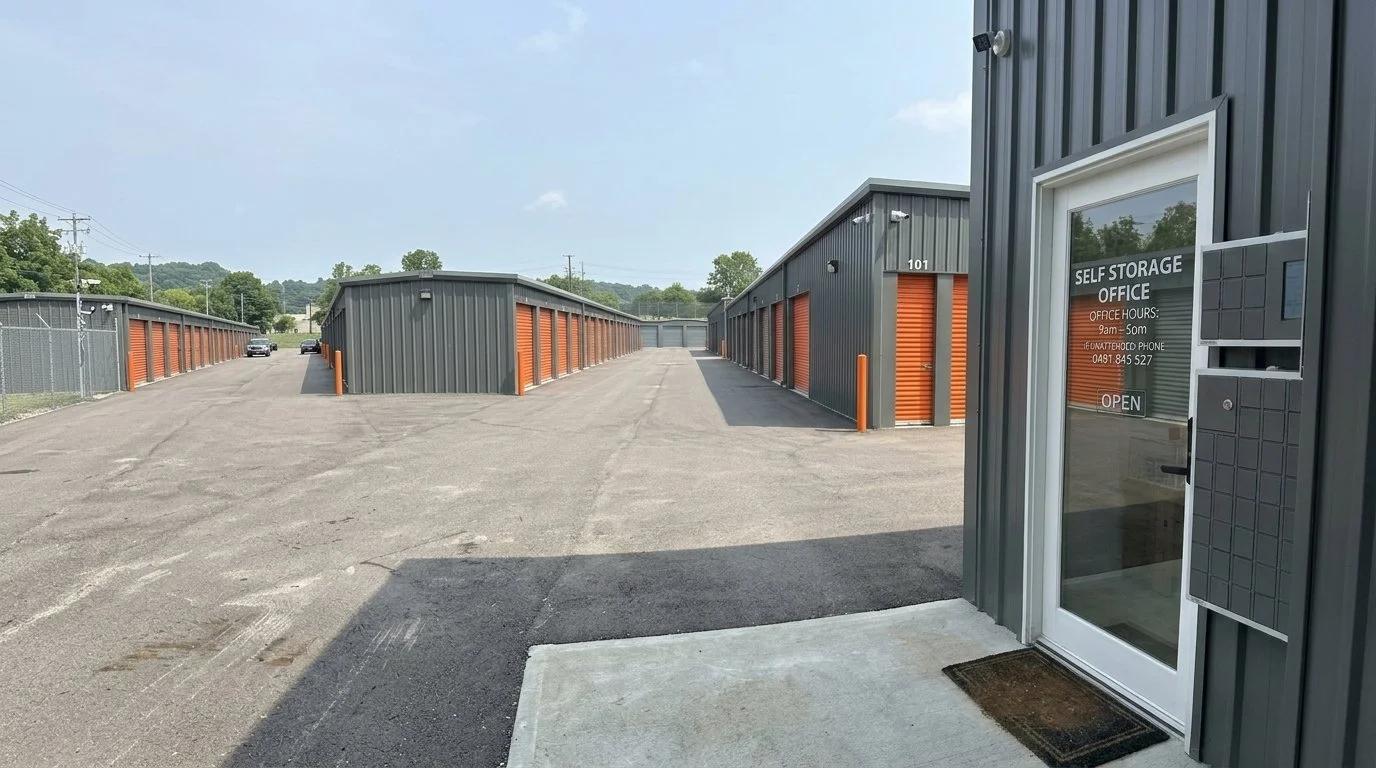
The fix is to stop moving keys to head office at all. Each key should live at the site where its unit is, and the customer should collect it there.
This is where a KeyNest Locker fits. Each site gets a locker with enough compartments for its units, using a base unit and extensions sized to the number of keys. Larger sites can split across two screens. Keys are stored in randomised compartments, so nobody can guess which door holds which unit.
Operators can store two sets per unit: one for the customer and a backup that stays in the locker until it is needed, for example when a customer loses their key.
Running It Across Every Location
A locker network is only useful if it runs without manual work. The locker links to the booking and payment system the operator already uses, so the customer receives a code automatically the moment a rental is confirmed.
Codes are single-use by default. Operators can also make them reusable within a validity window, such as the length of the rental. Head office can check every key's status across all sites from one dashboard.
Opening a new location then means installing one more locker.
See how a KeyNest Locker would work across your storage sites. Book a 15-minute call with our team.
FAQ
-
Yes, a base unit can be extended with additional modules, and sites with more keys can split compartments across two screens.
-
No, customers collect and return keys through the locker using a code, so sites can stay unstaffed.
-
Yes, the KeyNest open API lets your booking or payment platform send codes automatically when a rental is confirmed.
-
You can keep a backup set in the locker and release it with a new code, without posting anything.
-
Yes, screen branding is included, and hardware branding is available on larger orders.