
Over 1500 key exchange locations nationwide
How Unstaffed Self-Storage Sites Hand Over Keys Without Staff
KEY SUMMARY
- Unstaffed self-storage sites have no one to hand over keys, so operators rely on a KeyNest Locker to let customers collect and return keys themselves.
- Operators without lockers fall back on posting keys or leaving units open, which brings lost parcels, delayed move-ins and unknown occupants fitting their own locks.
- With a KeyNest Locker, units stay locked until a paying customer collects the key with a code sent at booking.
- A backup set in the KeyNest Locker covers lost keys, and customers can share access with a partner without extra keys being cut.
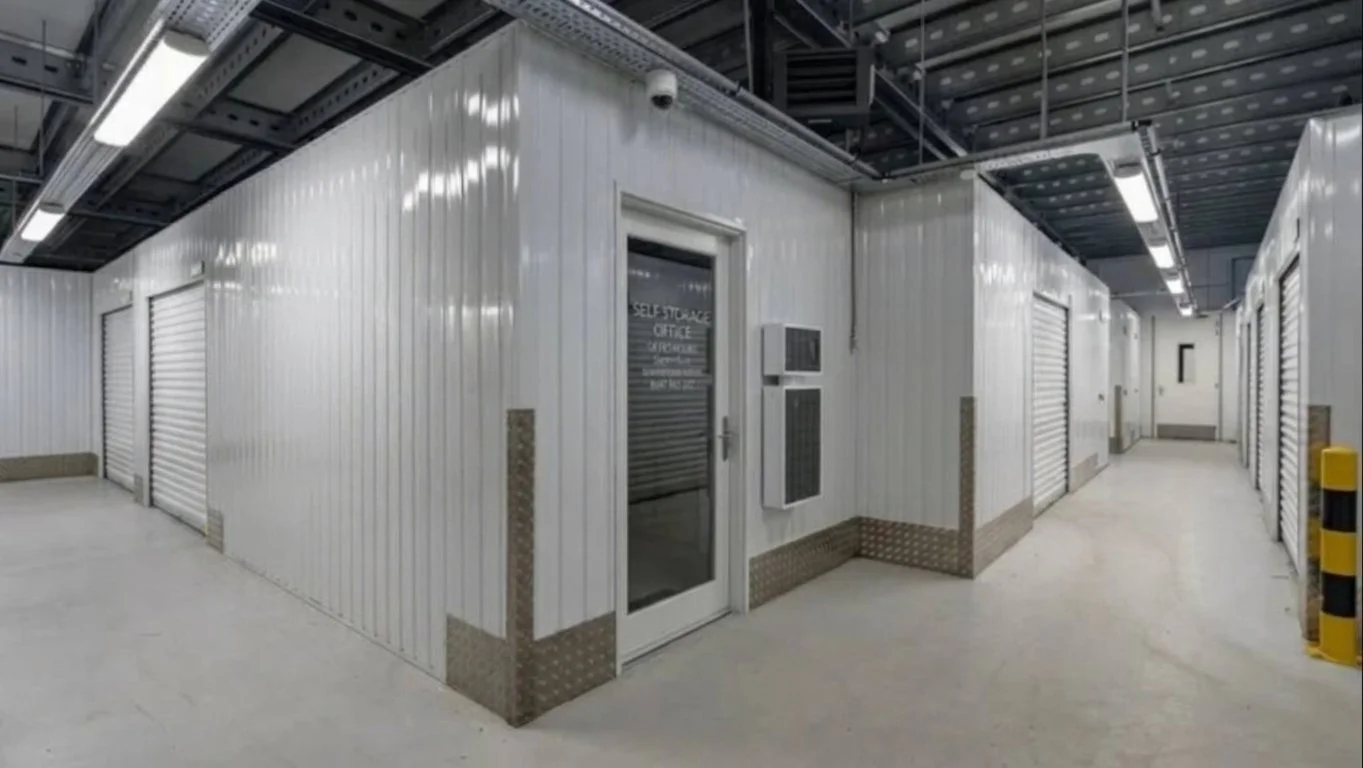
A customer arrives at an unstaffed self-storage site on a Saturday evening, ready to move in. The unit is booked and paid for, but nobody is on site to hand over a key. Unstaffed self-storage keeps staffing costs down, and a KeyNest Locker on site gets the key to the right person at the right time.
The Real Cost of Having Nobody On Site
Running sites without staff keeps costs low. It also removes the one person who could check who is collecting a key.
Without that person, operators often leave empty units open so they can be shown or let quickly. Unknown occupants sometimes move in and fit their own lock, and removing them takes time, a locksmith and in some cases a legal process.
Why Posting Keys Is a Poor Substitute
Posting keys to customers looks like a simple workaround, but it adds delays and errors to every rental.
Parcels go missing in transit. The wrong key goes into the envelope. A customer who expected to move in on the day they paid waits until the post arrives, and support teams spend their time answering calls about deliveries.
Letting the Customer Collect Their Own Key
The fix is to let the customer collect the key at the site, at a time that suits them, with nobody there to help. Access should follow the booking.
This is where a KeyNest Locker fits. The locker sits at the site entrance and holds the keys for every unit. When a customer books and pays, they receive a code and collect the key from a compartment. Units stay locked until a paying customer has the key.
Codes are single-use by default, so a forwarded message cannot be reused. Operators can also make a code reusable for the length of the rental, which suits customers who want to keep their key in the locker between visits.
Running Unstaffed Sites Day to Day
An unstaffed site still has to deal with the unexpected, and a KeyNest Locker handles the most common cases without a site visit.
A backup set for each unit can stay in the locker. If a customer loses their key, the operator sends a new code for the backup instead of posting a replacement. Customers can share access with someone else, such as a partner who will drop off boxes, without the operator handing out extra keys.
Because the locker links to the booking system the operator already uses, codes go out automatically. Head office sees which keys are in the locker and which are with customers, across every site.
See how a KeyNest Locker would work at your unstaffed storage sites. Book a 15-minute call with our team.
FAQ
-
Yes, the locker works around the clock, so customers can collect a key whenever their code is valid.
-
Your booking or payment system sends it automatically when the rental is confirmed.
-
Yes, customers can share access with another person, such as a partner, without extra keys being cut.
-
Yes, keys sit in randomised compartments and are only released with a valid code.
-
Each code comes with a link showing step-by-step images of how to use the locker.