
Over 1500 key exchange locations nationwide
How Social Housing Estates can Effectively Manage Contractor Access
KEY SUMMARY
- Social housing providers managing scattered properties often need a staff member to travel out just to let a contractor in, wasting time better spent on repairs and resident support.
- A missed handover means a rescheduled appointment, a resident left waiting, and for statutory checks like gas safety inspections, potential compliance risk.
- A KeyNest Locker gives contractors direct, time-limited access to a property without a housing officer needing to be on-site.
- The system covers scattered properties across an entire estate, with access configured per property rather than needing new infrastructure at every location.
A gas engineer needs to enter a property on the far side of the estate before 9am. There's no site office out there, so someone from the main building has to drive over, let them in, and drive back, all before the day's actual workload starts.
Social housing providers manage repairs and safety checks across properties spread over wide areas, often without a site presence at every location, exactly the gap a KeyNest Locker fills: contractors get direct, time-limited access to the property they need, without a housing officer meeting them there in person.
The Distance Problem
Housing associations and councils often manage stock spread across an entire borough or region, not concentrated around a single office. A contractor needing access to a property on the opposite side of that area means someone travelling out purely to unlock a door, then travelling back - all of this travel counts as billable hours.
This adds up fast when contractor visits are frequent. Gas safety checks, routine maintenance, void property turnarounds, and emergency repairs all require the same manual handover every time.
What a Missed or Delayed Handover Costs
A contractor arriving to find nobody available to let them in means a rescheduled appointment, a resident left waiting for a repair, and a wasted callout that still needs paying for. For statutory checks like gas safety inspections, delays also carry compliance risk that housing providers can't afford to treat casually.
Direct Access Without a Housing Officer On-Site
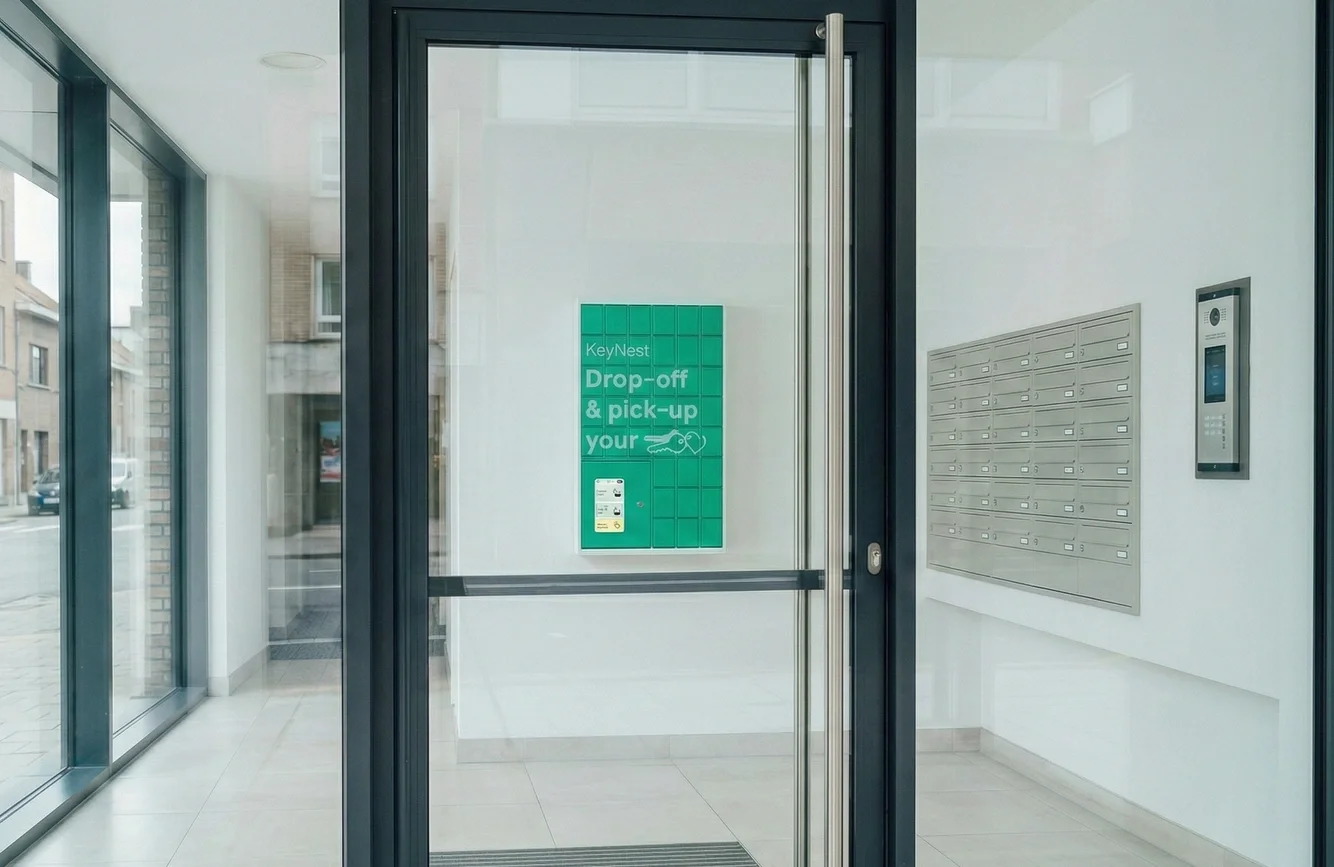
A KeyNest Locker installed at or near a property, or as part of a shared local network, lets a contractor collect the key directly using a time-restricted code set for their appointment window. No housing officer needs to travel out, and no key sits with a contractor beyond the job it was issued for.
Covering an Entire Estate, Not Just One Building
For providers managing scattered properties, the value multiplies with scale. Rather than building a physical handover process for every location, the same system covers new properties as they're added to the portfolio, with access simply configured per property rather than requiring new infrastructure each time.
FAQ
-
Yes, they collect the key using a time-restricted code valid for their scheduled appointment, no staff member needs to be on-site.
-
Access can be adjusted or revoked from the dashboard at any time, no need to physically retrieve a key.
-
Yes, the system covers as many properties as needed without requiring a physical office at each location.
-
Yes, every collection and return is logged automatically, supporting compliance and safety record-keeping.
-
Yes, reliable, trackable access reduces the risk of delays that could affect compliance deadlines.