Mid-term rentals: How KeyNest partnered with Landing to simplify and improve key handover security in North America

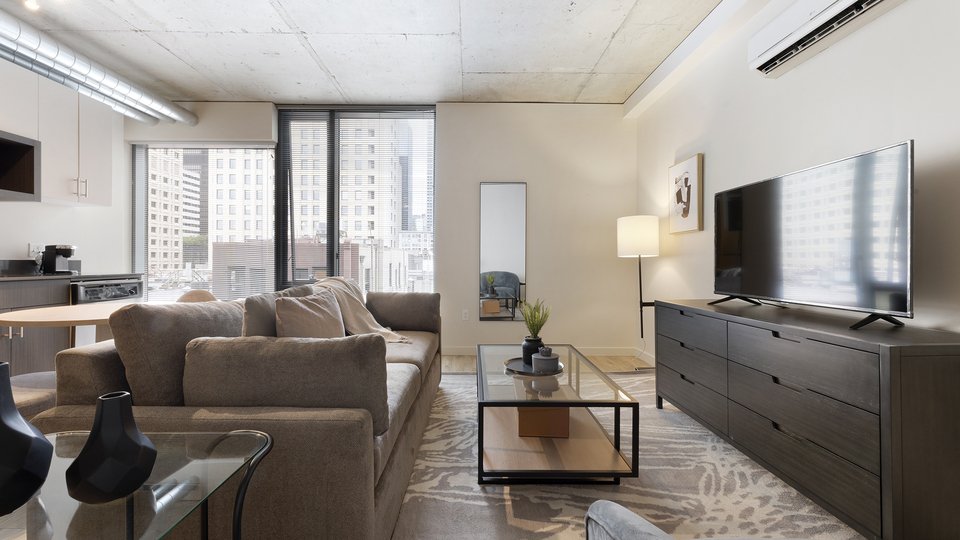
Griffis Seattle Waterfront, one of Landing’s apartments in Seattle
KEY SUMMARY
- The Partner: Landing, a flexible-lease mid-term rental provider operating across major North American cities.
- The Challenge: Urban properties in markets like Seattle, Denver, Texas, and Florida often don't allow lockboxes or smart locks, leaving no straightforward way to hand over keys to cleaners, contractors, and tenants.
- How did Landing use KeyNest?: KeyNest Points now cover Landing's markets nationwide, giving the team a secure, always-available option wherever a property's own restrictions rule out other methods.
- Key Results:
- The Default Choice for Restricted Buildings - KeyNest steps in wherever lockboxes or smart locks simply aren't permitted.
- A Security Upgrade Landlords Notice - Several properties in Landing's portfolio specifically prefer the added protection KeyNest offers.
- Direct Line to Support - A dedicated Slack channel with KeyNest's Account Managers keeps store and key issues resolved fast.
Landing is a unique apartment renting service which offers fully furnished apartments across the United States for an annual membership fee of $200.
Tenants can choose from any of the 20,000 fully furnished apartments, with a minimum length of stay of 30 days. What sets Landing apart is the flexibility offered by their large network of properties. In case a tenant needs to move to another city, they can give a few days' notice and find a new apartment through Landing, making the process seamless and simple.
Landing Standby is the company’s newest rental service, enabling tenants to live in an apartment for a fixed monthly fee of $1,495, regardless of the usual rent price - provided there’s no other tenant keen to live in the space. Landing is the perfect option for remote workers or anyone who wants the freedom to live in different cities across the country in a flexible way.
The company's network of area general managers provides on-the-ground support to tenants, and KeyNest has been an important part of Landing’s operations.
KeyNest Points are available in many of the markets where the company operates, providing added security for storing keys, especially in challenging urban areas.
How does Landing use KeyNest?
We spoke to Christopher Cobb, Landing’s Access Manager, about his experience with KeyNest so far:
Cobb went on to describe how much KeyNest’s customer support has been helping. Thanks to readily-available account managers on Slack, any issues are quickly resolved - whether it’s a store issue or a key issue, KeyNest’s customer support was always on hand to help.
Why remote key exchange with KeyNest?
Landing uses KeyNest for a variety of reasons. It’s the number one choice in case a property won't allow using lockboxes or smart locks. In some other cases, storing a key onsite may pose a risk - that’s when Landing turns to KeyNest to store the keys in a safe location nearby.
Typically, KeyNest is used by Landing to give access to cleaners and furniture installers. Hosts will retrieve the key from a KeyNest point and use it to check in guests. Similarly, if a member wants to check in at a different time, they can retrieve the keys from the nearest KeyNest point at any time.
KeyNest services come with complimentary 24/7 Customer Support, and for major clients like Landing - with a dedicated Account Manager service. The company works closely with KeyNest Operations Manager - Violetta, and communicates via Slack to request specific new locations or to solve any last-minute issues.
Describing the KeyNest experience so far, Cobb said: